Keep up with the Grand Farm Innovation Campus this growing season! Our new Weekly Email Series "What's New at the Farm" posts every Monday!
Sign up now
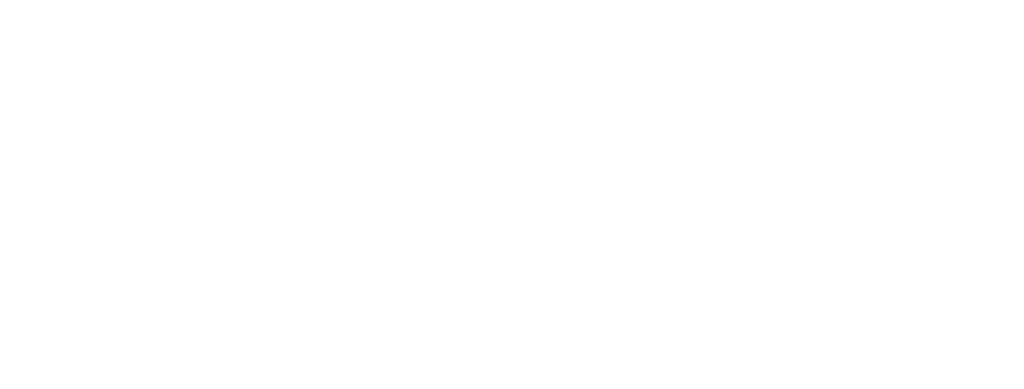
The Upper Midwest Regional Agriculture Pain Point Report (RAPPR) identifies the issues that consistently impact growers across Minnesota, North Dakota, and South Dakota, and organizes them into clear, actionable problem statements. Built from direct input across the agricultural ecosystem, the report helps startups, researchers, and industry teams focus on challenges that are both meaningful
in the field and ready for innovation.
The Regional Agriculture Pain Point Report (RAPPR) was created by Grand Farm to address a growing gap between agricultural challenges and the solutions being built to solve them. As new technologies continue to emerge, many are developed without a clear, shared understanding of the problems they aim to address. The RAPPR helps close that gap by defining the issues that matter most in a way innovators can understand and act on.
Each of the 29 pain points was evaluated and scored using a structured scoring framework based on three criteria:
Decreased Reliability of Weed Control Due to Herbicide Resistance
SUMMARY
Herbicide resistance and operational constraints are reshaping weed management across the region, turning a once predictable input into a more complex and variable risk. As resistance spreads, maintaining effective control becomes a broader production challenge with implications for yield, cost, and competitiveness.
Late Identification of Pest and Disease Pressure Limiting Effective Intervention
SUMMARY
Delayed detection of pest and disease pressure compresses already narrow intervention windows, reducing the effectiveness of management strategies. This detection gap increases input use, limits yield protection, and elevates overall production risk.
Excess Soil Moisture And Poor Drainage Limiting Access During Narrow Fieldwork Windows
SUMMARY
Across Minnesota, North Dakota, and South Dakota, increasingly intense rainfall is reducing workable field days and disrupting planting, nutrient efficiency, and soil conditions. Excess soil moisture has become a recurring structural constraint on timely operations and yield stability across major Northern Plains cropping systems.
Difficulty Matching Nutrient Applications to Variable Soil Conditions and Crop Needs
SUMMARY
Soil variability and timing gaps make it difficult to match fertilizer applications to crop needs, even when inputs are applied correctly. Differences within and across fields, combined with shifting nutrient availability throughout the season, create persistent inefficiencies in nutrient use. While tools such as soil sampling, mapping, and sensors improve decision-making, each has limitations that prevent fully precise nutrient management.
Skilled Labor Shortages in Increasingly Complex Production Systems
SUMMARY
Labor shortages in the Northern Plains reflect both a shrinking workforce and a widening gap between the demands of modern production systems and the capacity available to meet them. The challenge is no longer just finding enough workers. It is ensuring that the people managing these systems have the support, tools, and expertise to use them well.
Tell us your thoughts
These challenges represent real constraints across production systems in the Upper Midwest. If you are building solutions in these areas, Grand Farm can help connect you to growers, partners, and field validation opportunities to move your work forward.